
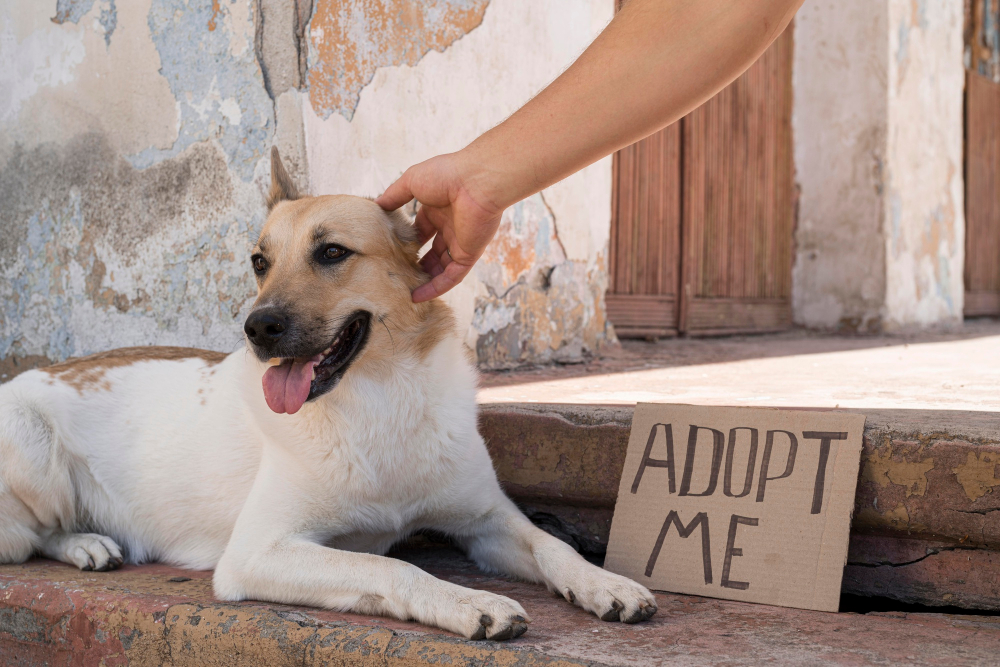
Walk into almost any rescue centre, and you’ll notice a pattern. Some kennels are empty, while others remain occupied month after month. The dogs inside those kennels are not less loving, less trainable, or less deserving – they are simply victims of human bias.
When it comes to adopting dogs, we like to believe our decisions are based on compatibility and lifestyle. In reality, many are driven by unconscious preferences that have little to do with the dog in front of us.
Black Dog Syndrome
One of the most well-documented adoption biases is Black Dog Syndrome. Black dogs are consistently rehomed more slowly and euthanised at higher rates than lighter-coloured dogs.
The reasons are surprisingly mundane:
- Black dogs photograph poorly, making them less appealing online
- Their facial expressions are harder to read at a glance
- Cultural associations unfairly link black dogs with danger or aggression
None of this reflects temperament. Some of the calmest, most emotionally stable dogs I’ve worked with have been solid black — they simply didn’t “stand out” on a website.
Breed Bias: The Staffie Problem
Staffordshire Bull Terriers and Staffie-crosses are another group that fill rescue centres.
Despite being one of the most people-oriented breeds, they are often labelled as:
- Aggressive
- Dangerous
- Too much work
Much of this stigma comes from poor ownership, sensationalist media, and outdated thinking. In reality, well-bred, well-supported Staffies are frequently affectionate, resilient, and deeply bonded to humans.
The tragedy is that many are dismissed before anyone takes the time to meet the dog behind the label.
My own Staffordshire Bull Terrier (Bruno) – who most of my clients meet at some point – is the perfect example of how perfect a rescue Staffie can be. Most of my clients meet him because he is the perfect dog to help anxious / reactive dogs calm down, for boisterous adolescence dogs to learn to calmly say hello, and for puppies to socialise with an adult male.
Senior Dogs: Overlooked and Underestimated
Older dogs may be the most unfairly treated of all.
Potential adopters worry about:
- Shorter lifespans
- Health costs
- Emotional difficulty of loss
What they often miss is what senior dogs offer:
- Emotional maturity
- Lower exercise demands
- Established personalities
- A remarkable ability to settle into home life
Senior dogs are rarely trying to “figure out” the world. They already have. For many households, they are the perfect match.
Size, Energy, and the “Cute Factor”
Puppies, small dogs, and “fluffy” breeds are adopted quickly — often before rescue staff have time to fully assess suitability.
Meanwhile:
- Large dogs
- High-energy breeds
- Dogs with nervous or shut-down behaviour
These dogs are left waiting, despite often being more adaptable in the long term when supported correctly.
This isn’t about blaming adopters. It’s about recognising that aesthetic preference often outweighs behavioural compatibility – and that mismatch can lead to returns, frustration, and further trauma for the dog.
What Bias Costs Dogs
Every day a dog spends overlooked in rescue has consequences:
- Prolonged stress
- Behavioural deterioration
- Reduced chances of successful rehoming
Dogs do not understand why they are passed over. They only experience the absence of connection.
Choosing Differently
Adopting responsibly doesn’t mean ignoring your lifestyle or limits. It means asking better questions:
- How does this dog cope emotionally?
- What support would help them thrive?
- Am I choosing with my eyes — or with understanding?
When people look past colour, age, and labels, they often discover the dog that fits their life better than the one they initially imagined.
Final Thoughts
The dogs most in need of homes are rarely the ones that catch our eye first. But they are often the ones who repay patience, understanding, and empathy tenfold.
Adoption isn’t about finding the “perfect” dog. It’s about recognising potential and giving it a chance.