
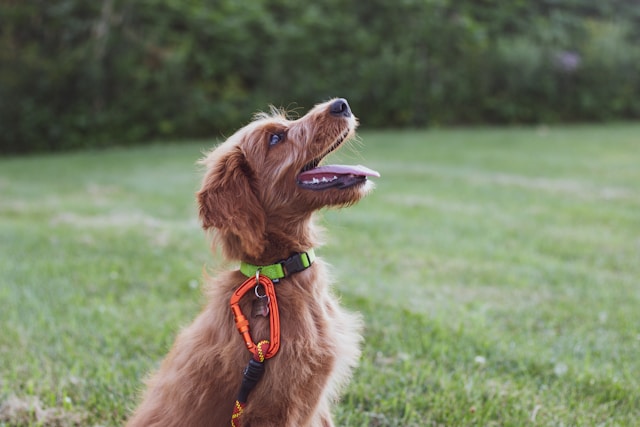
When most people think about dog training, they imagine teaching commands such as sit, stay, or come.
While these are useful skills, they only scratch the surface of what good training really achieves. Done correctly, training isn’t about controlling your dog.
It’s about helping them understand the world they live in, building a stronger relationship between the two of you, and giving them the skills they need to make good decisions throughout their life. In many ways, training is one of the greatest gifts we can give our dogs.
Training Strengthens Your Relationship
Dogs evolved alongside humans for thousands of years. During that time, they weren’t simply bred to obey people. They were bred to work with people.
Whether herding sheep, retrieving game, guarding livestock or simply living alongside families, dogs that paid attention to humans and responded to guidance were more successful. Modern pet dogs still carry that history.
When you train your dog, you are doing far more than teaching a behaviour. You are creating a language that both of you understand.
Every successful training session builds communication, trust and confidence. Over time, your dog begins to look towards you for guidance rather than trying to solve every situation alone. That relationship becomes incredibly valuable when life becomes unpredictable.
Training Creates Clear Communication
Imagine moving to a country where you don’t speak the language.
People wave their arms, shout words you don’t understand and become frustrated when you don’t respond correctly. That would be a confusing and stressful experience. Yet this is often how life feels for many dogs.
Without training, they are left to guess what we want:
- Should they greet the visitor?
- Ignore the squirrel?
- Walk beside us?
- Stay where they are?
- Return when called?
Training removes that uncertainty. Instead of constantly guessing, your dog learns clear cues that explain what behaviour is expected in different situations.
Rather than simply saying “No!”, we can tell our dog exactly what to do instead. That clarity reduces confusion, lowers frustration and allows dogs to make better decisions.
Training Builds Impulse Control
Many behavioural problems are not caused by disobedience. They are caused by poor impulse control.
Dogs naturally want to chase movement, investigate smells, run towards other dogs, jump up at visitors, react to exciting situations etc. Training helps develop the ability to pause before acting.
Exercises such as wait, leave, place, heel and recall all strengthen a dog’s ability to stop, think and choose a calmer response.
Over time, these repeated exercises don’t simply teach behaviours. They help create a dog that is more emotionally regulated and capable of making better decisions when distractions appear.
Training Gives Dogs More Freedom
Ironically, one of the best ways to give your dog more freedom is to teach them boundaries. A reliable recall means your dog can safely enjoy more off-lead time. A calm heel allows you to walk through busy areas with confidence.
Good impulse control means your dog can be trusted around people, children and other animals. Well-trained dogs often experience more of life because their owners can safely include them in more situations.
Training doesn’t restrict freedom. It creates it.
Training Builds Confidence
Learning new skills helps dogs become more confident. Each successful experience teaches them that they can solve problems, understand their owner and navigate new situations successfully.
This is particularly important for nervous or anxious dogs. Confidence rarely develops through constant reassurance alone. It develops through repeated success. Training provides those successes.
Each small achievement becomes another positive experience that helps your dog feel more capable and secure.
Training Supports Emotional Regulation
Training plays an important role in developing emotional regulation. Dogs learn how to disengage from distractions:
- Recover after exciting situations
- Remain calm around people and other dogs
- Wait patiently
- Make thoughtful decisions
Over time, these repeated experiences help strengthen calmer behavioural patterns.
The goal isn’t simply to create a dog that follows commands. The goal is to create a dog that thinks clearly before acting.
Dogs Enjoy Training
Perhaps the biggest misconception of all is that training is something dogs tolerate for our benefit.
In reality, most dogs genuinely enjoy learning when training is done well. Dogs are intelligent, curious animals. They naturally enjoy solving problems, earning rewards and interacting with the people they trust.
Good training provides:
- Mental stimulation
- Predictable communication
- Opportunities for success
- Social interaction
- Positive experiences with their owner
Many dogs become visibly excited when a training session begins because they know something enjoyable is about to happen.
Training is not a chore. For many dogs, it is one of the highlights of their day.
The Parent-Child Relationship
One of the simplest ways to think about dog training is to compare it to raising a child.
Good parents don’t create rules to control their children. They create them to keep them safe, help them understand the world and prepare them to make good decisions as they grow.
The same is true for dogs. When we teach recall, we are protecting them from roads. When we teach impulse control, we are helping them manage excitement. When we teach calmness around other dogs, we are making social interactions safer and less stressful.
Rules, when taught fairly and consistently, don’t reduce freedom. They provide security. Dogs thrive when they know what is expected of them.
Training Is About More Than Obedience
The very best training doesn’t produce a robot. It produces a confident, emotionally regulated dog that enjoys working with their owner because the relationship itself has become rewarding:
- Commands become conversations
- Boundaries become security
- Training becomes part of everyday life
And over time, something remarkable happens. Your dog stops looking at training as something you ask them to do.
Instead, they begin looking to you for guidance because working together has become the most rewarding choice they can make. Ultimately, that is the real purpose of dog training.
Not perfect obedience. But a calmer dog, a more confident owner and a relationship built on trust, communication and understanding